Thanksgiving dinner is one of the most anticipated meals of the year. Roast turkey, stuffing, mashed potatoes, and pumpkin pie fill the table, and about an hour later, many of us find ourselves sinking into the couch.
That heavy, sleepy, “I can’t move” feeling is so common that most people simply accept it as part of the holiday. However, it doesn’t have to be that way.
The first time I celebrated Thanksgiving in North America, I loved every dish on the table. I also remember feeling uncomfortably full for the rest of the evening. Growing up in Japan, I had never eaten that much in one sitting.
In Japan, several simple eating habits help people enjoy their meals without feeling overwhelmed afterward. These aren’t strict rules or restrictions. They are everyday ways of eating that many Japanese people grow up with.
Here are five habits you can bring to your Thanksgiving table this year.
1. Hara Hachi Bu: Eat Until You’re 80% Full
There is a well-known Japanese saying, hara hachi bu, which means “eat until your stomach is 80% full.”
This practice isn’t about eating less or skipping your favorite dishes. Instead, it encourages you to stop eating when you feel satisfied rather than stuffed.
It takes time for your brain to recognize that you’re full. When you eat quickly and continue until you feel completely full, you’ve often eaten more than your body actually needed.
This Thanksgiving, try filling your plate once with everything you love and enjoying it slowly. Before going back for seconds, take a short pause. If you’re still hungry after 15 to 20 minutes, feel free to enjoy another serving.

2. Slow Down and Chew Well
Japanese meals are often served in several small dishes, and people tend to eat slowly, savoring one bite at a time.
Digestion actually begins in the mouth. Chewing thoroughly breaks food down into smaller pieces and mixes it with saliva, which contains digestive enzymes. As a result, your stomach has less work to do later.
When I was a child, my grandmother always reminded me to chew each bite many times. I didn’t think much of it back then. Now, as a holistic nutritionist, I understand the wisdom behind her advice.
Try setting your fork down between bites, enjoying the conversation, and fully tasting each dish. Thanksgiving is a celebration, so there’s no need to rush.

3. Build a Balanced Plate
Thanksgiving tables are often filled with rich, starchy dishes. A traditional Japanese meal, on the other hand, typically includes a balance of vegetables, protein, a modest portion of rice, soup, and something pickled or fermented.
You don’t need to change your holiday menu. Simply try building your plate with a bit more balance:
-
Fill part of your plate with vegetables, such as green beans, roasted root vegetables, or salad
-
Add your favorite protein, such as turkey and beans
-
Enjoy smaller portions of richer sides like stuffing, mashed potatoes, and gravy
-
Save room for dessert
Vegetables provide fiber, which also helps nourish the beneficial bacteria in your gut.
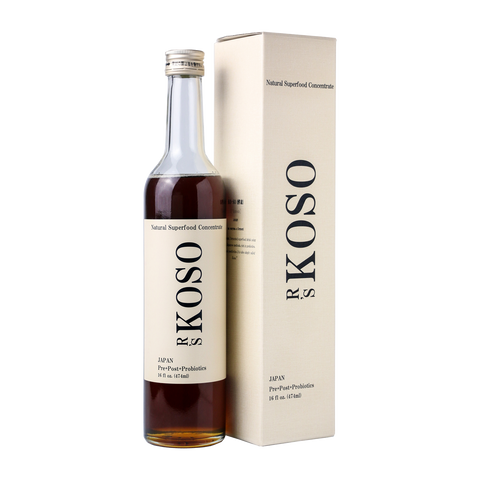
If you’re hosting this year, consider adding one fermented side dish, such as sauerkraut, kimchi, simple quick pickle, or R's KOSO mocktail. It’s an easy way to bring a touch of Japanese-style balance to your table.
Looking for a festive drink that isn’t alcohol or soda? Try these R's KOSO mocktail recipes.
Postbiotics Pomegranate Spritzer
Postbiotic cranberry virgin mojito