When people hear the word detox, they often think of cutting out sugar, eliminating gluten, or taking supplements that promise to “flush toxins” out of the body.
But personally, I see detox very differently.
Our bodies are already designed to detox.
We have built-in systems — especially the liver, kidneys, and digestive tract — that neutralize and safely eliminate substances that don’t belong in the body. Detox isn’t something we force. It’s something we support.

So when I think of spring detox, I don’t think of restriction.
I think of two things:
1. Supporting the liver — our main detox organ.
2. Improving gut health so we absorb what we need and eliminate what we don’t.
When the gut microbiome is imbalanced, certain bacteria can produce inflammatory compounds such as endotoxins. If the intestinal barrier is weakened, these compounds may enter the bloodstream and contribute to systemic inflammation.
By improving gut balance and strengthening the intestinal barrier, we can reduce this internal burden — making detox less about “removing toxins” and more about preventing them from circulating in the first place.
Interestingly, many traditional Japanese spring foods naturally support both.
Here are five foods Japanese people often eat in spring — not as a trend, but as a seasonal rhythm.

1. Bitter Spring Greens (Sansai)
In early spring, wild mountain vegetables called sansai appear in markets across Japan.
These include:
-
Fuki (butterbur)
-
Warabi (bracken fern)
-
Tara no me (angelica tree shoots)
They have a distinct bitterness — and that bitterness is meaningful.
Bitter compounds stimulate digestion and bile flow, which supports liver function. In traditional Japanese wisdom, spring bitterness is believed to “wake up” the body after winter.
Rather than juicing celery for detox, Japanese families simply add seasonal bitter greens to their meals.
If you’re in North America, try:
-
Dandelion greens
-
Arugula
-
Radicchio
-
Mustard greens
These offer similar bitter compounds that gently stimulate digestion.
2. Cabbage
Spring cabbage in Japan is tender and naturally sweet.
Cabbage contains sulphur compounds and antioxidants that support liver detox pathways. It’s also rich in fiber, which helps bind waste products in the digestive tract and move them out efficiently.
Instead of extreme cleansing, we focus on supporting elimination gently — and fiber plays a key role.
If you’re in North America, good options include:
-
Green/red cabbage
-
Kale
-
Brussels sprouts
-
Broccoli
All cruciferous vegetables support the same liver pathways.

3. Clams (Asari)
Clams are a classic spring food in Japan, often used in miso soup.
They are rich in:
-
Iron
-
Zinc
-
Vitamin B12
These nutrients are essential for liver function and energy metabolism. After winter, when energy can feel sluggish, mineral-rich shellfish help restore balance.
If clams aren’t your thing, try:
-
Mussels
-
Oysters
-
Sardines
-
Pasture-raised beef (in moderation)
The goal is mineral replenishment, not perfection.

4. Bamboo Shoots (Takenoko)
Bamboo shoots are another beloved spring ingredient.
They are high in fiber and low in calories, helping promote regular bowel movements and support the gut microbiome.
Healthy detox depends on healthy elimination. If digestion is sluggish, toxins can be reabsorbed. Fiber helps prevent that.

In North America, you can substitute with:
-
Asparagus
-
Artichokes
-
Leeks
-
Celery
These vegetables also support digestion and provide prebiotic fiber.
5. Fermented Foods
One of the most important daily foods in Japan isn’t seasonal at all — it’s fermented food.
Miso soup.
Fermented vegetables.
Amazake.
These foods provide beneficial bacteria, enzymes, and prebiotics and postbiotics compounds that support gut balance.
If the gut barrier is strong and the microbiome is balanced, fewer unwanted substances enter the bloodstream in the first place. Detox becomes prevention, not correction.
In North America, look for:
-
Sauerkraut (raw, refrigerated)
-
Kimchi (no artificial additives added)
-
Full-fat plain yogurt with live cultures
-
Kefir
Consistency matters more than quantity.
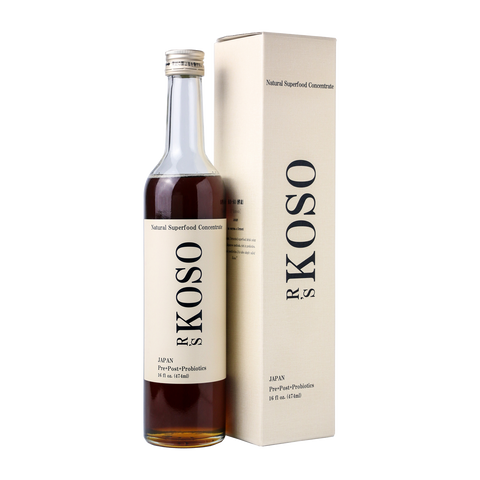
And if preparing fermented foods daily feels unrealistic, R’s KOSO offers a concentrated, traditional plant fermentation designed to support gut balance during seasonal transitions — the Japanese way: gently and consistently.

Where R’s KOSO Fits In
Japanese spring eating isn’t about eliminating entire food groups or shocking the body with drastic cleanses.
It’s about:
-
Supporting the liver with bitter and mineral-rich foods
-
Feeding the gut with fiber
-
Maintaining microbial balance with fermentation
It’s quiet. Seasonal. Sustainable.
R’s KOSO follows this same philosophy.
Instead of forcing detox, R’s KOSO supports the systems already designed to do the job. Through long-term plant fermentation, R’s KOSO provides prebiotics, probiotics, and postbiotics that help maintain gut balance — especially helpful during seasonal transitions.
Detox Is About Supporting, Not Forcing
Spring is not the time to punish your body. It’s time to gently wake it up. Sometimes, that begins not with what you remove, but with what you add.
Try one liver and gut supporting food today. And don't forget to start your day with a sip of R’s KOSO water.
Let’s get started!