You know that thing where the first hot day of summer feels amazing — finally, sun, patio drinks, no more jackets — and then somewhere around week three of the heat, you're dragging yourself through the day like you're moving through syrup?
You're not just "not a summer person." You're experiencing what the Japanese have called natsubate — literally "summer exhaustion" — for generations.
In Japan, natsubate isn't a medical diagnosis, but it's a well-known seasonal phenomenon, right up there with hay fever as something everyone just gets. There are entire grocery store aisles dedicated to fighting it. We don't really have an equivalent word for it here in North America — but if you've ever hit summer and just felt... done, you already know exactly what it feels like.
Good news: Japan has been quietly perfecting the science (and the snacks) of summer recovery for a very long time. Here's what's actually happening in your body, and what to do about it.

Why your body is genuinely struggling in summer
This isn't just "it's hot, I'm tired." There are real physiological mechanisms at play. When the temperature climbs, your autonomic nervous system — the part of you running the show in the background, regulating temperature, digestion, and energy without you thinking about it — has to work overtime. It's constantly adjusting blood flow to your skin to help you cool down, which means less blood flow (and less priority) for things like digestion. That's a big reason appetite tends to drop off in peak summer heat.
Then there's the air conditioning factor. Bouncing between a 22°C (72°F) office and 33°C (91°F) sidewalk dozens of times a day asks your body to recalibrate its internal thermostat constantly. That repeated whiplash is taxing on the nervous system in a way that a steady temperature simply isn't.
You're also losing more than just water when you sweat. You're losing electrolytes — sodium, potassium, magnesium — minerals that are directly involved in muscle function and nerve signaling. Lose enough of them without replacing them, and "tired" is a pretty mild way to describe how you'll feel.
Heat can also disrupt sleep quality, even when you don't fully wake up. Less deep sleep means less physical recovery, which compounds the fatigue day after day.

What people in Japan do to prevent it
A lot of natsubate prevention comes down to small, consistent daily habits rather than one big fix.
Mugicha (barley tea), constantly
It's caffeine-free and a staple in Japanese households throughout the summer. The biggest benefit isn't that barley tea has any unique anti-fatigue property—it's that keeping a pitcher in the fridge encourages people to sip fluids regularly instead of waiting until they're thirsty, helping maintain hydration throughout the day.
Refreshing, easy-to-eat foods
Umeboshi (pickled plums), citrus, vinegar-based dishes, and other tart foods are common in Japanese summer meals. Their bright flavors can make it easier to eat when the heat suppresses appetite, helping people maintain adequate energy and nutrient intake.
Avoid extreme temperature swings
Many people in Japan try to avoid making indoor spaces dramatically colder than the outdoor temperature. Minimizing large temperature differences may help some people feel more comfortable and reduce the stress of repeatedly adapting to very different environments. Some guidelines suggest keeping temperature differences within about 5°C (9°F).
Light, digestible meals
Summer favorites like somen or cold ramen are lighter than heavy hot meals and are often easier to eat when appetite is low. Pairing them with protein and vegetables also helps maintain balanced nutrition.
Don't skip breakfast if you can help it
Loss of appetite is one of the hallmarks of summer fatigue, but even a small breakfast—such as yogurt, fruit, toast, or rice with miso soup—can help you maintain energy intake and avoid falling further behind nutritionally.
Support digestion with Japanese fermented juice
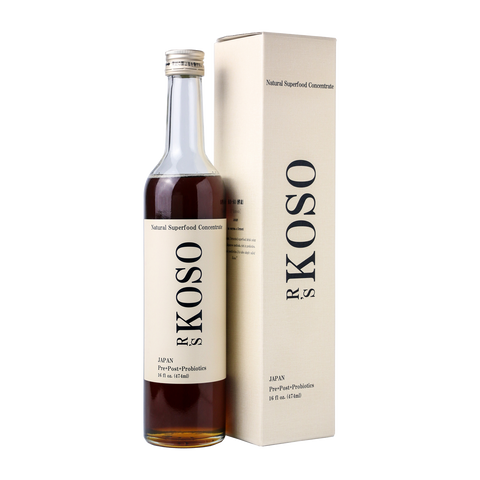
This one's less familiar outside Japan, but it's a daily habit for many people during the hottest months: fermented plant-based drinks, like R's KOSO. The idea is simple — when your digestive system is already deprioritized by the heat, giving it a little extra support makes it easier to actually absorb what you do manage to eat. I personally keep a bottle in my fridge and mix it into water on the mornings when a full breakfast feels like too much.

What to do if natsubate already has you
If you're already feeling the effects—heavy limbs, poor appetite, and afternoon brain fog—the goal shifts from prevention to recovery.
Replace electrolytes, not just water
During prolonged sweating, you lose both water and electrolytes, especially sodium. If you've been sweating heavily, an oral rehydration solution, electrolyte drink, or a salty meal such as miso soup can help replace both fluids and minerals.
My go-to: R's KOSO
When appetite disappears completely, my first move isn't food — it's a glass of water with R's KOSO. It's a fermented, plant-based drink, so it's gentle on a stomach that's already struggling, while still giving your body something to work with nutritionally. It's become such a fixture in my own summer routine that I genuinely don't go without it from June through September.
Choose foods you can comfortably eat
Whether they're warm or cold is less important than making sure you stay nourished. Soups, fruit, yogurt, rice dishes, or noodles with protein are all reasonable options if they're easier to tolerate in the heat.
Use flavorful ingredients to encourage eating
Ginger, shiso, and green onions are popular in Japanese summer cooking because they may help stimulate appetite when heat suppresses appetite, and may support digestion.
Prioritize sleep
Warm nights can reduce sleep quality, even if you don't fully wake up. Keeping your bedroom cool, maintaining a regular bedtime, and limiting bright screens before bed can improve recovery and help reduce the cumulative effects of heat-related fatigue.

The takeaway
Autonomic stress, electrolyte loss, appetite changes, and disrupted sleep during hot summer days are universal. Anyone dealing with a brutal heatwave in Texas or a humid August in Miami is navigating the same physiology Japan has been naming and managing for decades.
You don't need to overhaul your whole summer to feel better. Pick one small thing — a glass of water with electrolytes before your coffee, a lighter dinner, an extra glass of mugicha-style unsweetened tea in the afternoon — and build from there.