As December arrives, many of us start thinking about the goals we set at the beginning of the year. And suddenly, that little voice shows up...
“I didn’t do this… I didn’t finish that…”
Then comes the regret, the disappointment, the feeling that maybe we didn’t do enough.
That was me — until very recently.
It’s so easy to focus on what we didn’t accomplish, not just with yearly goals, but in our everyday lives, too.
And at the same time, we often overlook the things we did do — the small wins, the progress we made without even realizing it.
But the other day, I sat down and asked myself, “What DID I do this year?”
And to my surprise, the list was much longer than I expected. I had learned new things, gained new skills, and taken meaningful steps forward — even if they weren’t the ones I originally planned.

Someone I deeply admire once told me she ends each day by listing three things she accomplished or felt happy about.
So in 2026, instead of punishing ourselves for what we didn’t do, why don’t we celebrate the small things we did manage — no matter how tiny they seem?
With that spirit in mind, today I want to share five Japanese-inspired wellness habits to help you start the new year with kindness, nourishment, and a fresh mindset.

1. Begin Your Morning with a Nourishing Drink
In Japan, mornings often start with something warm and gentle for the stomach — not coffee on an empty stomach, but a soothing drink that wakes up the digestive system.
Sipping warm water (SAYU) is a traditional ritual that supports circulation, hydration, and metabolism. In the morning, I sip sayu and prepare my breakfast, imagining what the day will bring. It’s my little moment of calm.
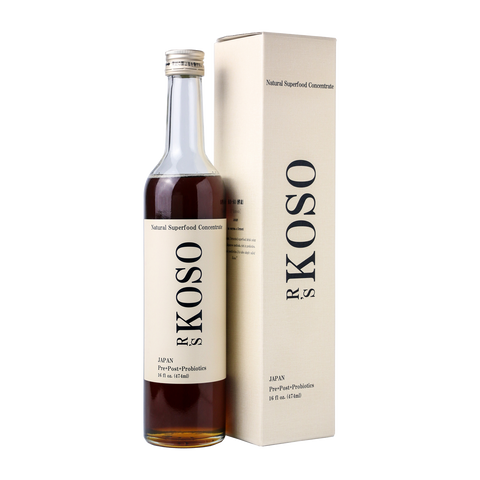
If you want an upgraded version for your gut, you can also begin your day with warm water with a serving of R’s KOSO, which provides prebiotics, probiotics, and postbiotics to help your digestion start smoothly.
You don’t like water? Try non-caffeinated tea with R’s KOSO.
2. Practice “Hara Hachi Bu”: Eating to 80% Full
Instead of finishing a meal when you can’t eat another bite, try stopping when you feel lightly satisfied. This Japanese habit helps regulate appetite, improve digestion, and keep energy steady throughout the day. It’s a gentle reminder that self-care includes knowing when to pause.

3. Feed Your Gut Daily with Prebiotic-Rich Foods
A healthy gut is the foundation of whole-body wellness. Japanese cuisine naturally includes daily fermented foods — miso, natto, pickled vegetables, amazake — rich in prebiotics, probiotics, enzymes, organic acids, and postbiotics.
R’s KOSO is a modern, convenient version of this tradition. It is concentrated plant fermentation that provides prebiotics, probiotics, and postbiotics that support digestion, nutrient absorption, and microbial balance — especially helpful during busy seasons or when your meals aren’t perfect.

4. Hydrate Through Your Meals — the Japanese Approach
Hydration isn’t only about drinking more water. It is easy to forget to keep yourself hydrated, especially in winter. In Japan, people naturally stay hydrated by eating water-rich, warm dishes that are gentle on digestion.
Try adding more:
-
steamed vegetables
-
soup, such as miso soup
-
hotpot (Basically, a larger soup. Have you tried?)
-
simmered dishes (nimono)
In winter, I have hotpot at home almost every weekend. I change ingredients to add flavor to the broth, so I never get bored. My favorite is the creamy century egg broth and simple Japanese mushroom and seaweed dashi broth.
These dishes support hydration, improve digestive comfort, and help your body absorb nutrients more efficiently. Warm, soft foods also calm the nervous system — a form of self-care your body feels instantly.

5. Build Balance: Pair Light, Nutrient-Dense Foods With Satisfying Proteins
One of the most beautiful aspects of Japanese eating is balance. Meals are built around low-calorie, high-nutrient foods and moderate portions of protein — not one or the other.
Fill your plate generously with:
-
mushrooms
-
vegetables
-
beans
-
seaweed
Then add a mindful amount of:
-
fish
-
chicken
-
beef or pork
This combination creates meals that are:
-
rich in vitamins, minerals, and fiber
-
naturally low in calories
-
deeply satisfying
-
stabilizing for blood sugar and energy
It’s a way of eating that nourishes without overwhelming — supportive of longevity and gut health.