Summer is supposed to be a season of sunshine, vacations, and fresh food. Yet for many people, it's also a season of bloating, sluggish digestion, and low energy.
In Japan, we even have a word for this: Natsubate (summer fatigue), or summer fatigue. In my previous blog, I shared what natsubate is, why it happens, and simple Japanese habits to help prevent it. If you've been feeling tired, lost your appetite, or can't seem to beat the heat, be sure to check out that article first.
In this blog, I'd like to focus on something that plays a surprisingly important role in how we feel during summer.
Our gut.
Japanese people don't usually think of "gut health" as a trend. Instead, many of the foods we naturally eat during summer happen to support digestion and the gut microbiome. Gut supporting foods are simply part of our everyday food culture.
Here are five Japanese-inspired habits you can try this summer.

1. Eat Fermented Foods Every Day
One thing you'll notice in many Japanese meals is that there's almost always something fermented on the table such as miso soup, pickled vegetables (tsukemono), natto, and amazake.
Fermented foods provide beneficial compounds that support a healthy gut environment. They also introduce a variety of microbial metabolites, often called postbiotics, which are produced during fermentation and may help support digestion and gut barrier function.
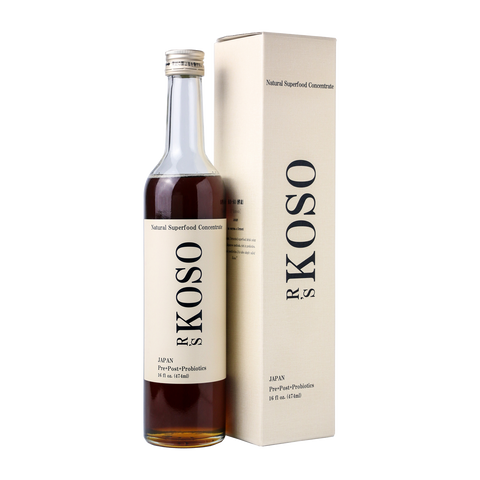
If preparing fermented foods every day isn't realistic, R's KOSO is an easy way to incorporate the benefits of long-term plant fermentation into your daily routine. R’s KOSO is made from over 100 plant-based ingredients fermented for more than a year. It contains prebiotics, probiotics, and postbiotics to support digestive health.

2. Choose Foods That Are Gentle on Digestion
When it's hot outside, many Japanese people naturally shift toward lighter meals that are easier to digest.
Here are some examples:
-
Tofu
-
Noodles (soba, somen, udon)
-
Steamed or boiled fish or meat
-
Vinegar marinated dish (Sunomono)
-
Soft-cooked vegetables
These foods provide nourishment without making the digestive system work overtime.
If you live in North America, similar choices include oatmeal, rice, eggs, tofu, baked fish/chicken, or steamed vegetables. When your stomach feels overwhelmed by the heat, eating simply often feels much better than forcing yourself to eat a large, heavy meal.
3. Find a Balance with Cold Foods
In Japan, it’s common to enjoy cold foods and drinks during the summer to help cool down the body. Iced tea, chilled noodles, fruit, and other refreshing foods are a natural part of the season.
However, many Japanese people also try not to overdo it. Consuming too many cold foods and iced beverages can leave your stomach feeling cold and may make you feel uncomfortable or sluggish.
The goal isn’t to avoid cold foods completely, but to enjoy them mindfully and maintain balance. Try not to make every meal ice-cold or consume many cold foods and beverages. Personally, I don’t often choose ice-cold foods or beverages. If I have something cold, I like to pair it with a warm soup or beverage.

4. Feed Your Gut Bacteria, Not Just Yourself
When we lose our appetite, it's easy to survive on simple carbohydrates like bread, noodles, or crackers.
The problem is that your gut bacteria need food too. Beneficial gut microbes in your gut thrive on prebiotic fiber, which they ferment into short-chain fatty acids (SCFAs). These compounds help maintain the gut lining, support immune function, and play an important role in regulating inflammation.
But it’s not just about getting enough prebiotic fiber — variety matters too. Different types of fiber nourish different types of beneficial gut bacteria, so incorporating a wide range of fiber-rich foods can help support a more diverse and balanced gut microbiome.
Try including more foods like:
-
Onions
-
Oats
-
Beans
-
Berries (blueberries, strawberries, raspberries)
-
Bananas
-
Barley
-
Corn
-
Sweet potatoes
-
Okra
-
Edamame
-
Seaweed
Summer is a great time to enjoy a variety of fiber-rich seasonal foods. Adding colorful fruits, vegetables, legumes, and whole grains to your meals can help nourish a diverse range of beneficial gut bacteria.
Try making overnight oat with berries for the breakfast, or having chili for dinner.

5. Hydrate Through Food
Most people think hydration simply means drinking more water. In Japan, we also hydrate through our meals. Summer foods often include ingredients naturally rich in both water and minerals, such as:
-
Cucumbers
-
Tomatoes
-
Watermelon
-
Berries
-
Plums
These foods help replenish fluids while also providing nutrients. This is one reason why you see cucumbers and tomatoes everywhere in Japan during the summer.